
Understanding the Impact of Malnutrition in Seniors: Prevention Tips

Understanding the Impact of Malnutrition in Seniors: Prevention Tips
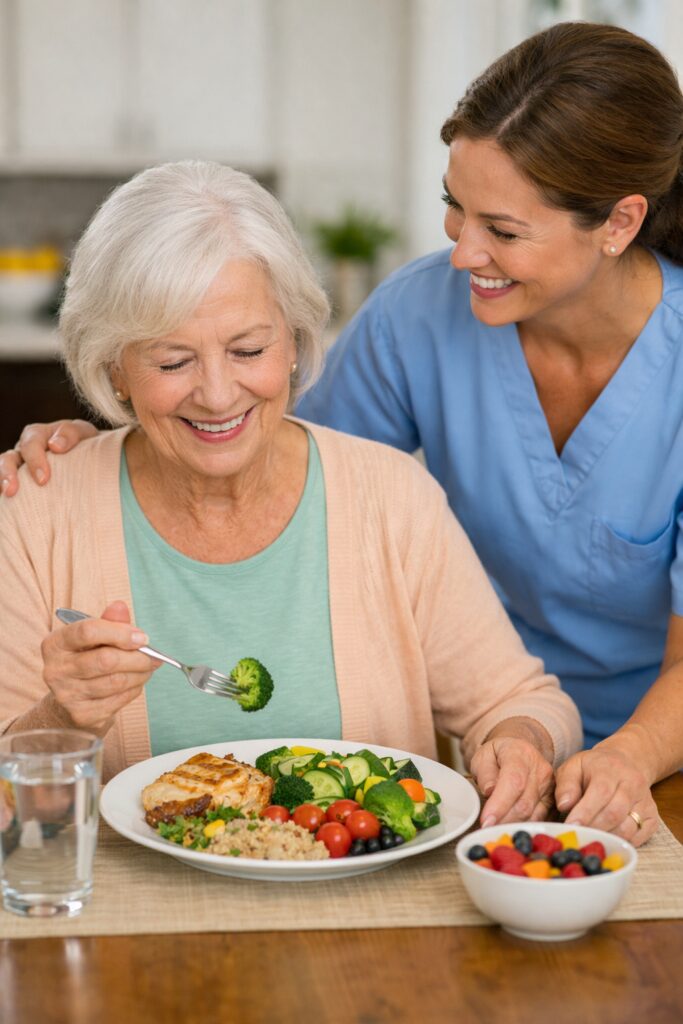
What is Malnutrition in Seniors?
Malnutrition occurs when the body does not receive the right balance of calories, protein, vitamins, and minerals needed to function properly. In seniors, this condition is especially concerning because it can quickly affect independence and overall health.
Causes of Malnutrition in Seniors
- Age‑related changes: Decline in taste, smell, and appetite
- Medical conditions: Dementia, depression, diabetes, cancer, Alzheimer’s disease, and chronic illnesses that affect appetite or metabolism
- Medication side effects: Some prescriptions reduce appetite or interfere with nutrient absorption
- Physical limitations: Difficulty chewing, swallowing, or preparing meals
- Social factors: Isolation, limited income, or lack of access to nutritious food
Effects of Malnutrition on Seniors
Malnutrition can lead to:
- Higher risk of falls and fractures
- Slower recovery from illness or surgery
- Increased hospitalizations
- Reduced independence in daily activities
Prevention Strategies for Malnutrition in Seniors
Preventing malnutrition in older adults requires a proactive approach that addresses both physical and social factors. Families and caregivers play a vital role, and professional support can make a significant difference.
Practical Strategies
- Balanced Diet: Ensure meals include lean proteins, fruits, vegetables, whole grains, and healthy fats.
- Regular Health Checkups: Screen for nutrient deficiencies such as vitamin D, B12, and iron.
- Meal Support: Provide assistance with grocery shopping, meal preparation, or home‑delivered meals.
- Encourage Social Engagement: Eating with others can improve appetite and make mealtimes more enjoyable.
- Hydration: Remind seniors to drink water regularly, as dehydration can worsen fatigue and health risks.
- Targeted Supplementation: Use vitamins or minerals when diet alone is insufficient, under medical guidance.
When to Seek Professional Help
It’s important for families and caregivers to recognize when malnutrition in seniors requires professional intervention. While occasional changes in appetite may be normal, persistent issues can signal deeper health concerns.
Situations That Require Professional Support
- Rapid or unexplained weight loss
- Frequent fatigue or weakness affecting daily activities
- Difficulty chewing, swallowing, or digesting food
- Recurring infections or slow wound healing
- Noticeable changes in mood or cognition linked to poor nutrition
How LivAtHome Helps
At LivAtHome LLC, we understand the challenges seniors face in maintaining proper nutrition. Our caregivers provide compassionate support by:
- Assisting with meal planning and preparation
- Encouraging balanced diets with adequate protein and essential nutrients
- Offering companionship during meals to improve appetite
- Monitoring for signs of weight loss or nutritional deficiencies
- Coordinating with families and healthcare providers when concerns arise